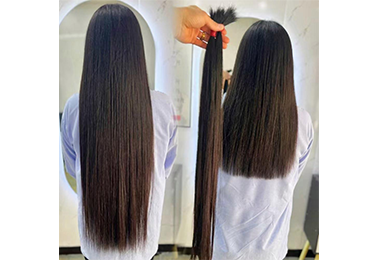
Human Hair Bulk Wholesale: The Complete Business Guide for American Entrepreneurs
Human Hair Bulk Wholesale: The Complete Business Guide for American Entrepreneurs
Current Market Trends
- Color Distribution: Natural blacks (45%), browns/blondes (35%), vibrant colors (20% - growing)
- Texture Demand: Straight (30%), wavy (35%), curly (35%)
- Length Preferences: 12-16 inches (40%), 18-24 inches (45%), 26+ inches (15%)
Demographic Preferences
- African American women: Premium virgin hair, longer lengths
- Caucasian women: Natural colors, wavy textures
- Hispanic/Latino: Medium browns, versatile lengths
- Asian American: Dark colors, straight textures
Social media and influencer culture have dramatically accelerated trend adoption, with platforms like Instagram and TikTok driving awareness and demand for specific hair types and styling techniques. The emergence of personalized solutions and sustainable, ethically sourced products represents significant growth opportunities for businesses that can innovate while maintaining quality standards and competitive pricing.
Building Profitable Strategies: Distribution, Compliance, and Competitive Advantage
Creating a successful human hair bulk wholesale business requires sophisticated distribution strategies and meticulous regulatory compliance. The U.S. market operates through multiple channels, including direct manufacturer partnerships, distributor networks, online wholesale platforms like Alibaba and DHgate, and industry trade shows such as the annual Hair Expo events.
Distribution Channel Advantages
- Direct Manufacturers: Lowest pricing, higher minimums (500+ pounds)
- Distributor Networks: Mid-range pricing, flexible minimums
- Online Platforms: Convenience, wide variety, competitive pricing
- Trade Shows: Face-to-face negotiations, new product launches
Regulatory Compliance Requirements
- FDA Guidelines: Cosmetic products compliance
- Customs Requirements: Proper import documentation
- Ethical Sourcing: Transparent hair origin and processing
- Quality Assurance: Counterfeit prevention and consistency
Key competitive strategies include establishing exclusive supplier relationships, implementing advanced quality assurance systems, and leveraging digital platforms for B2B sales and customer relationship management. Successful businesses typically offer flexible pricing structures with volume discounts, provide comprehensive product documentation, and invest in educational content to build consumer trust.